Make the space you have work better.
Measure your pantry, diagnose the real problem, and choose organizers only when they earn their place.
A practical process for real spaces.
Measure carefully. Diagnose honestly. Solve only what needs solving.
- 01
Measure
Capture the real dimensions and obstacles.
- 02
Diagnose
Find the access problem before choosing a solution.
- 03
Arrange
Give everyday food a visible, reachable place.
- 04
Choose
Buy only when a product improves the system.
Start with the problem closest to yours.
Use the complete sequence, or choose one focused guide for the part of your pantry that is failing now.
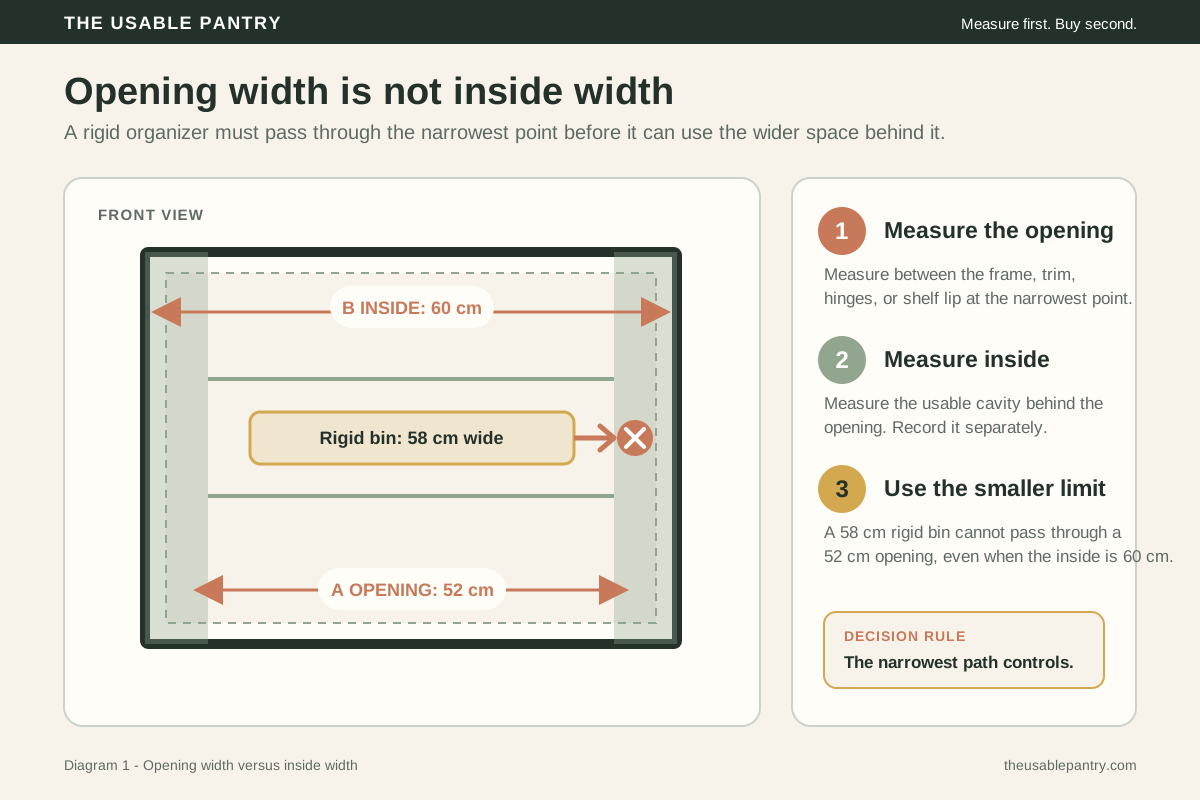
01How to Measure a Pantry Before Buying OrganizersMeasure the opening, shelf width, usable depth, clear height, hardware, and obstacles before choosing pantry bins or organizers.02How to Organize Deep Pantry Shelves Without Losing Food at the BackTurn a deep pantry shelf into visible, pull-forward categories so food at the back can be found and reached without emptying the shelf.03How to Divide a Small Pantry Into Practical Storage ZonesCreate small-pantry zones around household actions, frequency, reach, and refill limits—not matching containers or a borrowed shelf plan.04A Small-Pantry Reset That Does Not Require Buying New ContainersReset a crowded small pantry by reducing friction, defining categories, and testing boundaries with what you already own before buying organizers.05How to Store Food in Original Packaging Without Creating ChaosKeep food labels, instructions, and package identity while using zones, front-facing information, and controlled reserve rules to make a pantry understandable.06Bin, Turntable, or Shelf Riser? Choose the Movement You NeedChoose a pantry bin, turntable, or shelf riser by the access problem it solves: moving a category, rotating individual items, or revealing a back row.07Clear Bins vs. Opaque Baskets: Which Belongs in Each Pantry Zone?Choose transparent or opaque pantry storage by identification, visual noise, retrieval, package information, and the job of each zone.08Shelf Risers vs. Stackable Drawers: Choose by Access, Not AppearanceCompare shelf risers and stackable drawers by sight line, retrieval movement, clear height, loading, and the packages you actually need to reach.09When a Turntable Helps—and When It Wastes Pantry SpaceDecide whether a pantry turntable improves bottle and jar access or sacrifices useful rectangular space without fixing the real problem.10How to Organize a Pantry With Wire ShelvesBuild stable pantry zones on wire shelves by measuring wire spacing, supporting small packages, preserving airflow, and testing movement before adding liners or bins.11How to Use High Pantry Shelves When You Cannot Reach the BackUse high pantry shelves for light, identifiable, controlled categories with a deliberate retrieval method instead of pushing loose items out of reach.
Browse all ten guides Take the measurements with you.
A printable, fillable sheet for recording openings, shelf dimensions, obstacles, and product-fit checks.
Download the measurement sheet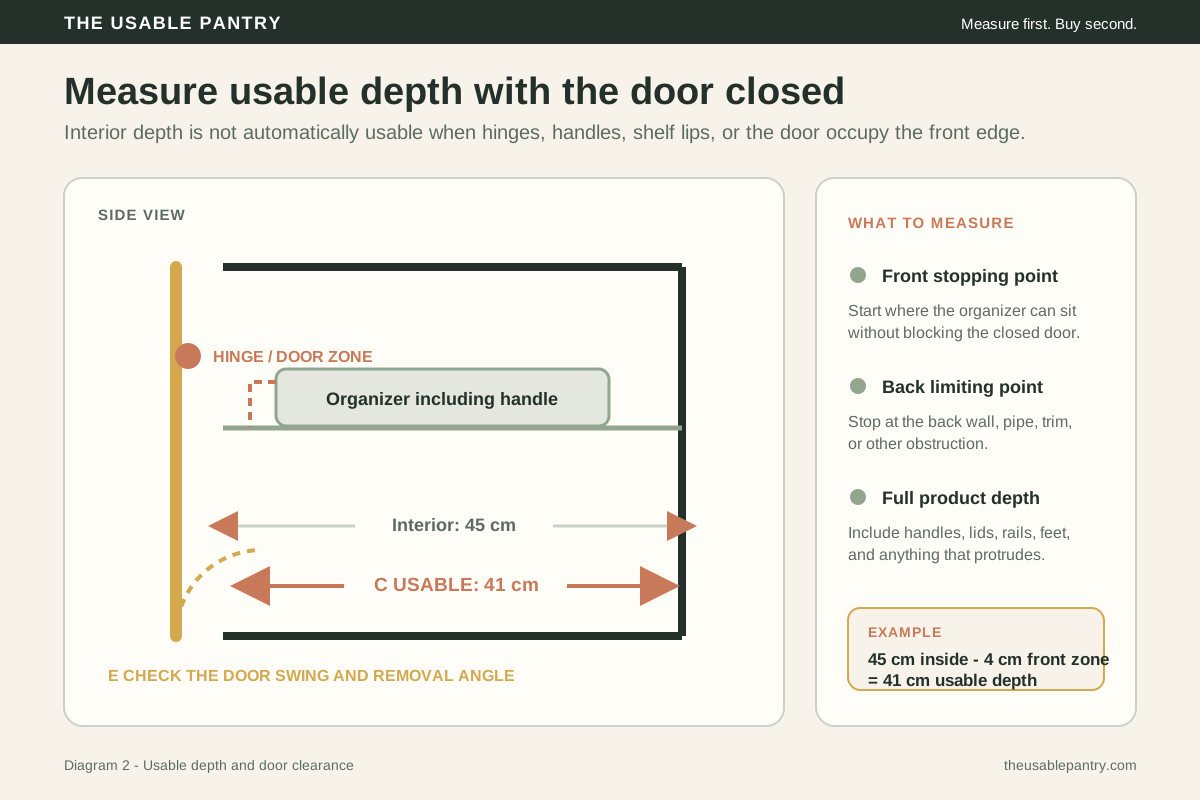
Useful without a shopping link.
Our guidance starts with the space, the food, and the person using both. Recommendations come later—and only when they solve a specific problem.
Read our editorial standard